
Conditioners are hair products that help soften and detangle hair, making it easier to style. At Coserty, you'll find a wide selection of hair conditioners from top brands at the best prices.
Conditioners by Hair Type

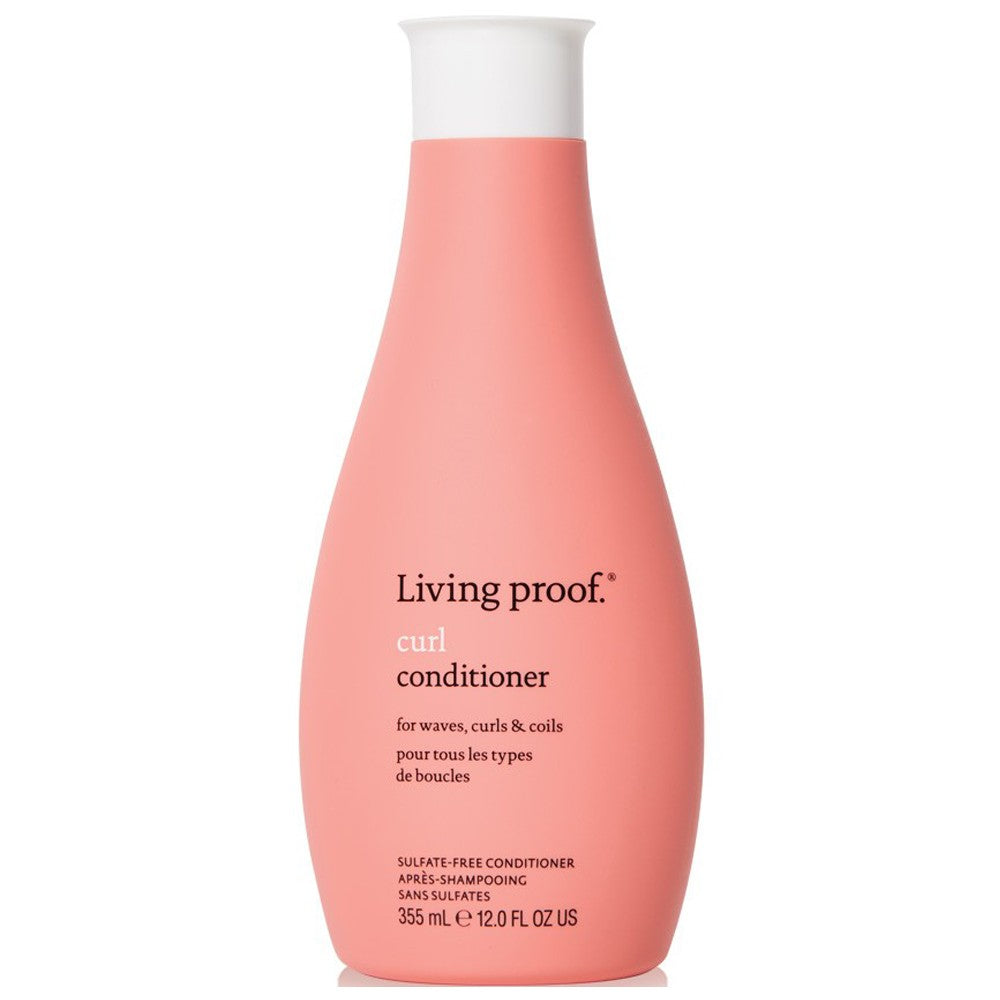


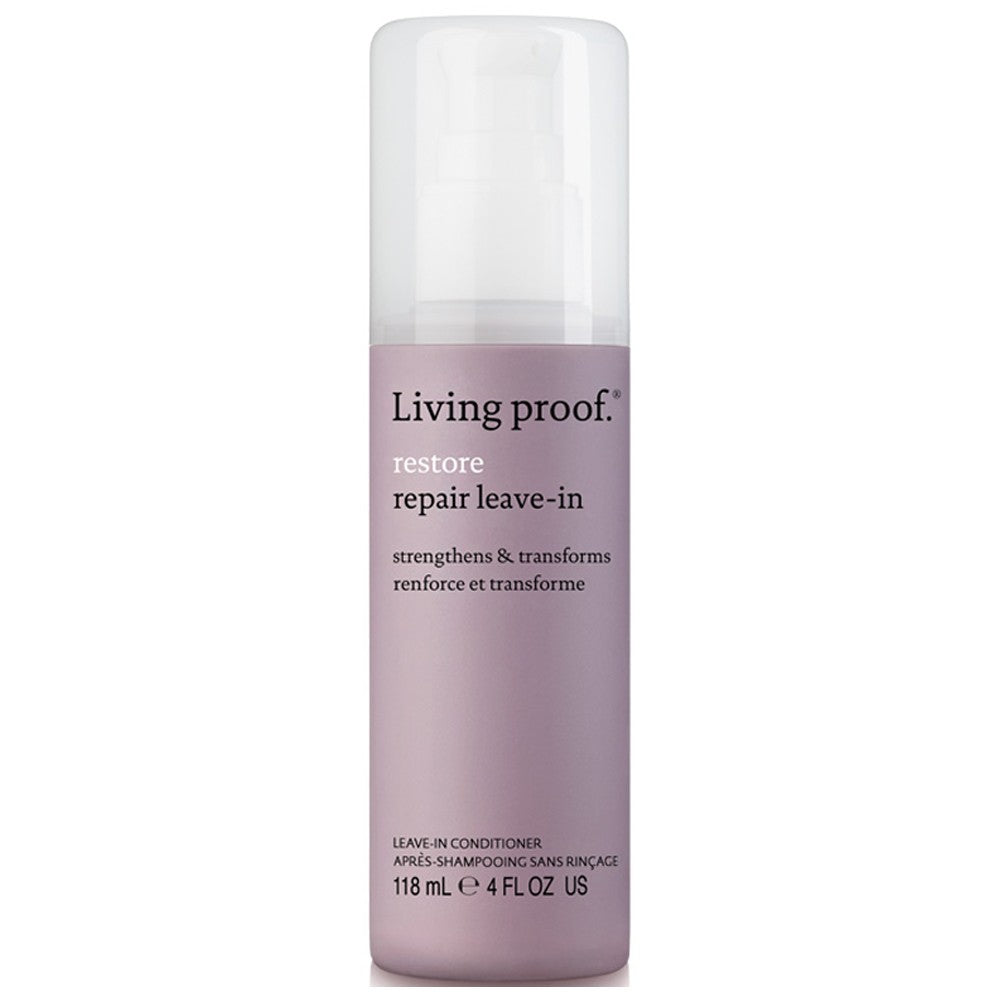


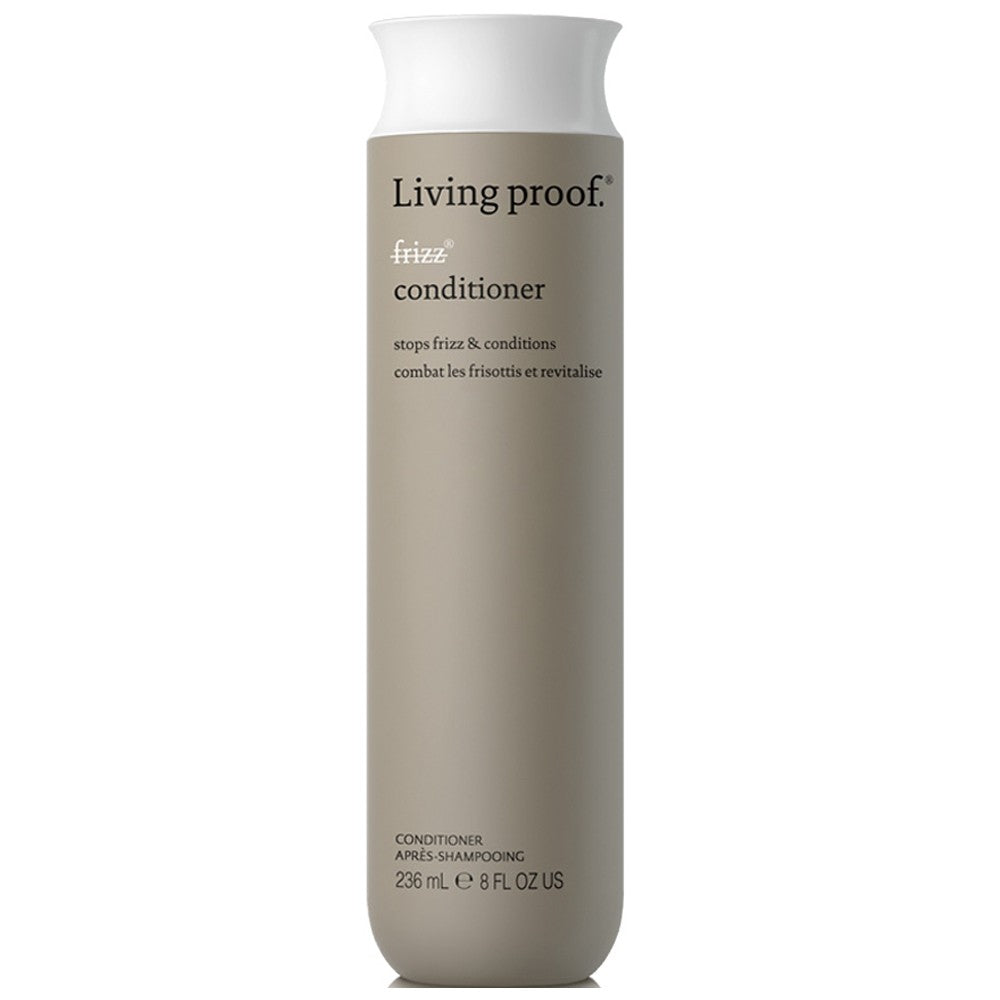
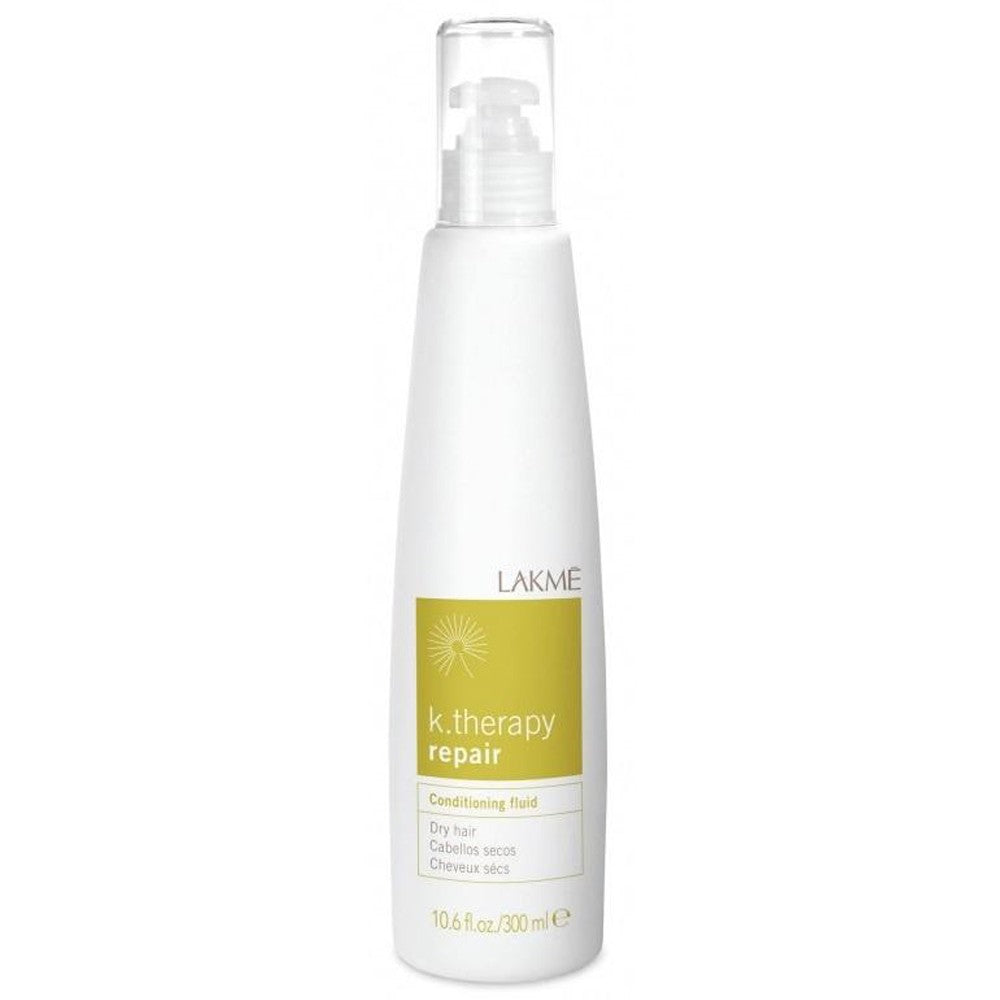
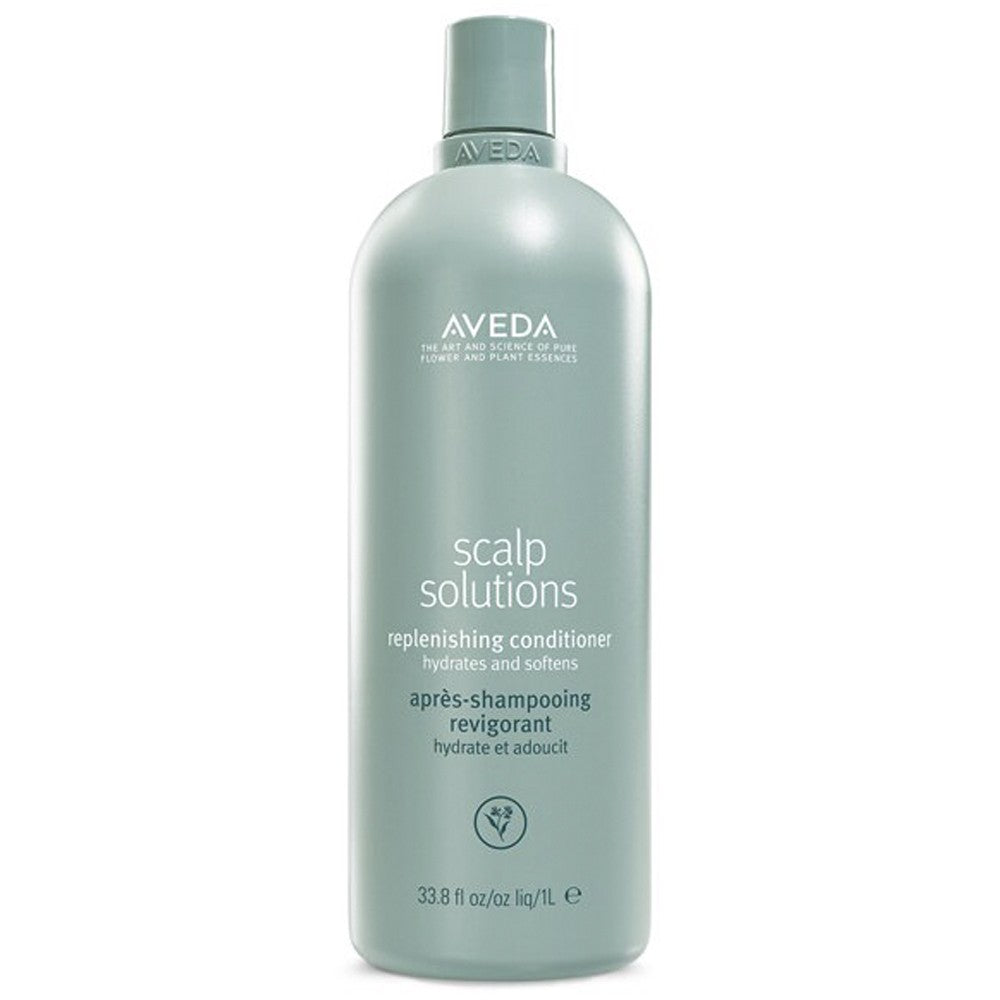
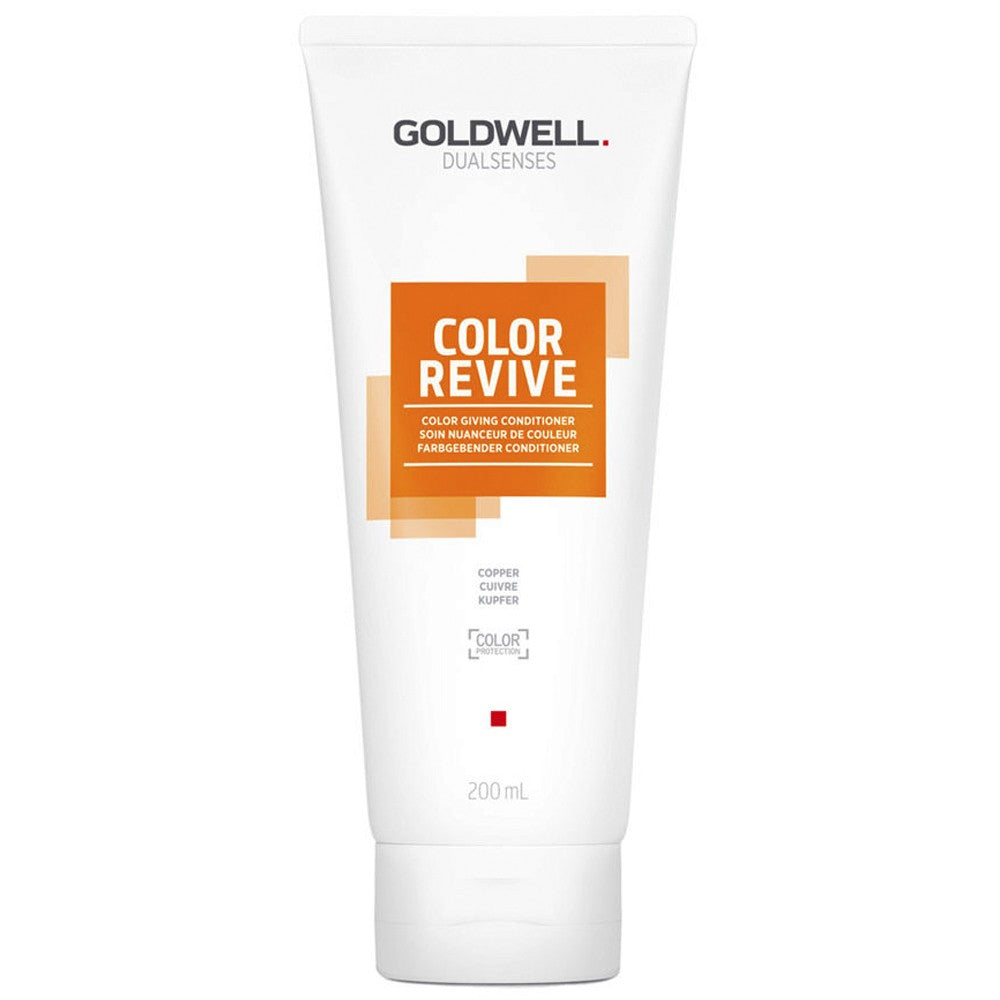


Professional Conditioners: softness, shine, and perfect detangling
Professional conditioners are essential products in any hair care routine. Their main function is to close the hair cuticles after washing, providing softness, shine, and facilitating detangling. Unlike conventional conditioners, professional formulas contain high-quality ingredients that nourish, hydrate, and protect hair without weighing it down.
Applying conditioner after every wash is fundamental to keeping hair healthy and manageable. Professional conditioners seal the hair cuticle, retain moisture, prevent frizz, and protect hair from environmental damage and heat tools. The result is softer, shinier, and easier-to-style hair.
Difference between conditioner and hair mask
Although both products hydrate and soften hair, they have different functions. Conditioner is applied after every wash and acts superficially to detangle and provide immediate softness, with an exposure time of 1 to 3 minutes. Hair masks, on the other hand, are intensive treatments that penetrate deeply into the hair fiber and require a longer application time.
Professional conditioners contain ingredients such as proteins, light oils, botanical extracts, and conditioning agents that facilitate styling without leaving residue. For very damaged or dry hair, it is recommended to combine daily conditioner use with intensive masks once or twice a week.
How to apply conditioner correctly
Correct conditioner application is key to achieving the best results. After shampooing, remove excess water from your hair and apply conditioner from mid-lengths to ends, avoiding the roots to prevent weighing down the hair. Distribute the product evenly with your fingers or a wide-tooth comb, leave on for 1 to 3 minutes, and rinse with warm or cool water to seal the cuticles and enhance shine.
In our selection, you will find professional conditioners for every hair type: hydrating for dry hair, volumizing for fine hair, smoothing for curly hair, color-protecting for color-treated hair, and repairing for damaged hair. Each formula is designed to provide specific benefits with professional results.
Buy conditioners by hair type at Coserty
At Coserty, you'll find everything you need to care for, treat, and improve the manageability of your hair with professional conditioners tailored to every need. Our catalog is designed to cover real-life hair situations, from hydration and repair to frizz control, color protection, or volume enhancement, allowing you to create a more balanced and effective hair care routine. Using the right conditioners makes a difference both in immediate results and in long-term hair health, as they help keep the hair fiber protected and behaving better.
We work with professional brands and advanced formulas designed to offer visible results from the first applications and progressive improvement with continued use. Professional conditioners provide softness, shine, and ease of styling, in addition to helping maintain hydration within the hair. This allows for a more polished, uniform, and long-lasting finish day after day without overloading your routine with too many products.
Types of conditioners by hair type
Hair smoothing conditioners
Smoothing conditioners are designed to soften the hair fiber and improve hair control, facilitating a more uniform and disciplined finish. This type of product helps reduce friction between hair fibers, improving texture and providing a feeling of greater softness from the first use. With consistent application, hair becomes more manageable, easier to comb, and maintains a more polished look throughout the day.
Anti-frizz conditioners for hair
Anti-frizz conditioners are formulated to control frizz and improve hair's behavior against humidity and external factors. Their action helps seal the hair cuticle, preventing the fiber from absorbing excessive moisture and losing definition. This allows for a more controlled finish, with less static electricity and a more uniform appearance, even in adverse conditions.
Hydrating and nourishing conditioners for hair
Hydrating and nourishing conditioners are essential for maintaining hair balance, providing softness and elasticity to the hair fiber. Their continued use helps prevent dryness, improve feel, and keep hair more flexible, which facilitates both styling and style maintenance. These types of formulas contribute to hair looking healthier and more balanced over time.
Repairing conditioners for hair
Repairing conditioners are aimed at improving hair quality when it is damaged or weakened by external factors or chemical processes. They work by strengthening the hair structure, helping to reduce breakage and progressively improving the fiber's resistance. With consistent use, hair better recovers its appearance, becomes more uniform, and acquires a feeling of greater consistency.
Shine conditioners for hair
Shine conditioners are designed to visually improve hair's finish, providing luminosity and a healthier appearance. Their action smooths the surface of the hair fiber, allowing light to reflect more uniformly and enhancing hair's natural shine. This results in a more polished mane, with a better appearance and a feeling of greater care from the first applications.
Density and volume conditioners for hair
Density and volume conditioners help improve hair's appearance without adding unnecessary weight. They are designed to add body and texture, helping to keep hair looser and with more movement. Their continued use contributes to hair looking fuller, avoiding a flattened effect and facilitating a lighter, more natural finish.
Conditioners for curly hair
Conditioners for curly hair help maintain hair's natural shape, improving its manageability and facilitating daily styling. Their application smooths the hair fiber without altering its structure, which favors a more uniform and controlled finish. This helps keep curls defined, preventing them from losing shape or becoming difficult to work with.
Conditioners for blonde hair
Conditioners for blonde hair are designed to care for hair after coloring or bleaching processes, helping to maintain its good condition. Their use helps preserve a more uniform appearance, improve shine, and prevent progressive deterioration of the hair fiber. This type of conditioner contributes to keeping hair more balanced and better looking over time.
Anti-hair loss conditioners for hair
Anti-hair loss conditioners are formulated to strengthen the hair fiber and improve its resistance to breakage. Although they do not act as a primary treatment, they help keep hair in better condition, promoting a stronger and healthier appearance. Their continued use helps reinforce the overall hair care routine.
Fortifying conditioners for hair
Fortifying conditioners help strengthen the hair fiber and improve its internal structure, reducing hair fragility. Their regular application allows hair to better resist daily wear and tear, resulting in a mane with greater consistency, less breakage, and a more uniform appearance.
Anti-aging conditioners for hair
Anti-aging conditioners are aimed at keeping hair in good condition over time, helping to improve its texture and behavior. Their use helps preserve softness, improve overall appearance, and keep the hair fiber more balanced against the natural aging of hair.
Keratin conditioners for hair
Keratin conditioners help improve hair structure, providing greater uniformity and softness. Their application facilitates a more controlled finish and improves manageability, allowing hair to be worked with greater ease and achieving a more polished result.
Color protection conditioners for hair
Color protection conditioners are designed to maintain hair color for longer, preventing premature fading. Their use helps preserve color intensity, improve shine, and keep hair more uniform after coloring processes.
Sun protection conditioners for hair
Sun protection conditioners help protect the hair fiber against direct exposure and other external factors. Their action contributes to keeping hair in better condition, preventing progressive deterioration and helping to preserve its more cared-for appearance.
Detangling conditioners for hair
Detangling conditioners are designed to facilitate styling and reduce breakage caused by friction. Their use improves hair manageability, allowing it to be detangled with greater ease and avoiding unnecessary pulling or damage to the hair fiber.
Revitalizing conditioners for hair
Revitalizing conditioners help improve hair's overall appearance, providing softness, shine, and a feeling of greater vitality. With continued use, they contribute to keeping hair more balanced and with a healthier appearance day after day.
Conditioners for all hair types
Conditioners for all hair types are a versatile option that allows for maintaining hair balance without specific needs. They are ideal for frequent use, as they help preserve softness, facilitate styling, and keep hair in good condition constantly.
Professional size conditioners for hair
Professional size conditioners are designed for more prolonged and constant use, allowing the hair care routine to be maintained more efficiently. Their size facilitates continuity in treatment and helps obtain more visible and stable results over time.
FAQs about Conditioners
Professional conditioner clearly differs from conventional conditioner thanks to its more advanced formulation and the quality of the ingredients it incorporates. These types of products are developed with a higher concentration of active ingredients such as proteins, natural oils, vitamins, and moisturizing complexes that act directly on the hair fiber. Thanks to this composition, professional conditioner not only immediately improves the appearance of hair, but also works in depth, helping to restore hydration, softness, and shine from within. With continued use, the results are not only visible but also cumulative, progressively improving hair quality.
Furthermore, professional conditioners are formulated with specific laboratory-developed technologies that allow for better penetration and action on the hair structure. This makes the product act more effectively, adapting to different hair types without weighing it down or altering its natural balance. In turn, these formulas are usually designed to protect hair against external factors such as heat, humidity, or the use of thermal tools, helping to keep the hair fiber more resistant and looking better in the long term.
Another important aspect is its balanced formulation, designed to respect the natural pH of the hair and scalp. This allows for hydration, softening, and detangling without causing buildup or affecting the hair's natural barrier. In many cases, professional conditioners do away with aggressive or unnecessary ingredients, opting for cleaner and more efficient formulas that improve manageability without leaving heavy residue or a greasy feeling.
In contrast, conventional conditioner usually has more basic formulations, with a lower concentration of active ingredients and inferior quality in its main components. Its effect focuses mainly on providing superficial softness immediately, but without acting deeply on the hair fiber. This means that the results are more temporary and the hair does not truly improve with continued use, maintaining a well-groomed appearance in the short term but without a real change in its health.
In short, choosing a professional conditioner not only improves the finish of the hair day by day, but also represents an investment in its long-term care. Thanks to its more complete and effective formulas, it keeps hair more hydrated, manageable, and resistant, achieving a more lasting result and a visibly healthier appearance over time.
Choosing the right conditioner for your hair type is key to achieving visible and lasting results in your hair care routine. Each hair type has specific needs, and professional conditioners are formulated to respond more precisely to these differences. Thanks to their higher concentration of active ingredients and more developed formulas, they can work deeper into the hair fiber, providing hydration, softness, and control more effectively than basic products.
For dry or damaged hair, professional conditioners often incorporate a greater quantity of high-quality emollient and nourishing ingredients, such as natural oils or plant butters, which help restore lost moisture and improve hair fiber elasticity. This type of formulation acts deeply, strengthening the hair structure and preventing dryness, resulting in softer, more flexible, and better-looking hair with continued use.
When it comes to oily hair, the choice of conditioner should focus on lighter formulas, capable of providing hydration without overloading or disturbing the scalp's balance. In this regard, professional products are designed to offer this balance, using ingredients that hydrate without adding weight, preventing buildup, and keeping hair loose, clean, and with natural movement.
For curly hair, the role of professional conditioner is especially important, as this hair type tends to be drier and requires a higher level of care. Formulas are designed to improve manageability, enhance definition, and control frizz, helping maintain the hair's natural shape without stiffness. Thanks to their deeper action, hair becomes more uniform, with better definition, and a more well-groomed appearance.
Colored hair, on the other hand, requires a specific approach when using conditioners, as the goal is not only to hydrate but also to preserve the color. Professional formulas incorporate active ingredients that help protect color intensity, prevent premature fading, and keep hair shinier and more balanced after chemical processes.
For fine hair, the choice of conditioner is especially delicate, as any excess weight can affect volume. Therefore, professional products are formulated to provide hydration without weighing down, using lighter ingredients that help maintain the hair's natural body and texture, improving its appearance without compromising the styling result.
In short, adapting the use of professional conditioners to your hair type is essential for more complete and effective care. Thanks to their more advanced formulations and higher quality ingredients, they progressively improve hair health, resulting in hair that is more balanced, manageable, and visibly well-groomed in the long term.
The use of conditioner in a hair care routine is fundamental for keeping hair in good condition, as it acts directly on the cuticle, helping to seal the hair fiber after washing with shampoo. This step helps improve softness, reduce friction, and facilitate detangling, thus preventing hair breakage and wear and tear in daily life. Thanks to their more advanced formulations, professional conditioners not only act on the surface level but also provide more complete and lasting hydration and protection.
In most cases, the frequent use of conditioner is beneficial, as it helps maintain hair balance and progressively improves its manageability. Its continuous action helps keep the hair fiber more sealed, resulting in softer, shinier, and more resistant hair against external factors like humidity or the use of heat styling tools. This is especially important in hair care routines where hair is repeatedly exposed to external aggressions.
However, it is important to adapt its application according to hair type, as not all areas need the same level of hydration. For hair with higher sebum production, strategically applying conditioner allows for softness without altering scalp balance, avoiding a heavy or greasy feeling. This way, hair remains light, loose, and cleaner-looking for longer.
When hair shows a higher level of damage or dryness, it is advisable to complement the use of conditioner with other treatment products that act more deeply. In this sense, the occasional use of hair masks helps reinforce hydration, improve elasticity, and more intensively restore hair structure. This combination helps balance the level of care according to the hair's actual needs, achieving a more complete improvement in its condition.
In conclusion, integrating conditioner appropriately into the hair care routine helps keep hair protected, manageable, and looking better on an ongoing basis. Adapting its use according to hair type and complementing it when necessary with masks or other treatments is what allows for a more balanced, lasting, and professional result in the long term.
The difference between conditioner and hair mask lies mainly in their formulation, concentration of active ingredients, and depth of action within the hair fiber. Conditioner is designed as a product for frequent use, with a lighter texture and a more superficial action, aimed at improving daily hair manageability. Its main function is to soften the hair fiber, facilitate detangling, and seal the cuticle after shampooing, providing shine and reducing friction without adding excessive weight.
Thanks to its balanced composition, professional conditioner acts immediately on the hair's surface, providing visible results from the first application. Its acting time is usually short, as it can improve hair softness and feel in just a few minutes. Additionally, when used frequently, it helps to continuously protect the hair fiber from external factors, such as humidity or the use of heat styling tools.
On the other hand, a hair mask is formulated as a more intensive treatment, with a higher concentration of active ingredients and specific technologies that allow it to act deeper. Unlike conditioner, its objective is not only to improve the superficial appearance but to work on the internal structure of the hair, helping to repair, nourish, and strengthen the hair fiber from within. This makes it a key product when hair shows signs of damage, dryness, or weakening.
The way they are used also reflects this difference in intensity and depth. While conditioner is easily integrated into a daily routine with shorter application times, a mask requires a longer acting time to allow the active ingredients to penetrate the hair fiber and act effectively. Its more spaced-out use precisely responds to its higher concentration and treatment capacity, as it is not intended for daily maintenance but to strengthen the routine occasionally.
In conclusion, both conditioner and hair mask fulfill complementary functions in hair care. The former acts as continuous maintenance that improves manageability and overall appearance, while the latter provides a deeper, more repairing treatment. Combining both appropriately allows hair to be kept balanced, protected, and visibly healthier in the long term, taking advantage of the benefits of each product according to the hair fiber's actual needs.
The combination of shampoo and conditioner within the same professional line offers a significant advantage, as these products are developed to work together and enhance their results. In this type of formulation, both products share the same technological base and a selection of compatible active ingredients, which allows for a more complete and balanced treatment. The shampoo is responsible for cleaning and preparing the hair fiber, while the conditioner acts afterward to hydrate, soften, and seal the cuticle, maximizing the benefits of the overall treatment.
This coordinated approach allows active ingredients to act more effectively, as they are designed to complement their function at each step of the routine. As a result, the hair remains more balanced, with better texture and greater resistance over time. Additionally, professional lines often incorporate specific technologies that are activated or reinforced when their products are combined, which contributes to achieving more visible and long-lasting results with continued use.
However, this does not mean that it is mandatory to always use products from the same line or brand. One of the advantages of professional hair care is precisely the possibility of adapting the routine to the real needs of the hair at any given moment. In many cases, combining a shampoo with a specific function with a conditioner focused on another need allows for the creation of a more personalized and effective routine, adjusted to the specific characteristics of the hair.
This type of combination is especially useful when hair has different needs in different areas or at different times. Adapting products according to the situation allows balancing the final result without compromising hair health. Thanks to the quality of professional formulations, it is possible to combine products from different lines as long as they respect the hair type and its condition, maintaining a good level of efficacy and compatibility.
In short, using shampoo and conditioner from the same line ensures greater consistency in the routine and facilitates obtaining more homogeneous results, but the real key is to choose the right products based on the hair's needs. The possibility of combining different options within professional care allows for building a more flexible, adapted, and effective routine, achieving more balanced, manageable, and better-looking hair in the long term.
The way you apply conditioner directly influences the final result for your hair. It's not just about using a good product, but about correctly integrating it into your hair care routine. After using shampoo, it's important to remove excess water before applying conditioner, as hair that is too wet reduces the absorption capacity of the active ingredients. This step allows the product to adhere better to the hair and act more effectively on the surface of the hair fiber.
Professional conditioner is formulated to work primarily on the visible part of the hair, so its application should focus on the mid-lengths and ends, where the hair fiber has the greatest need for hydration and protection. Avoiding the roots, especially for fine or oily hair, helps maintain scalp balance without adding weight or causing unnecessary build-up. This achieves a lighter, more natural result with greater movement.
Another key aspect is the amount of product used. Professional conditioners usually have more concentrated formulas, so it's not necessary to apply large amounts to get a good result. Using the appropriate dose based on hair length and density allows the hair fiber to be covered evenly without overloading it, improving product efficacy and optimizing its performance.
Application time also plays an important role in the effectiveness of conditioner. Although its action is faster than that of other treatments like masks, allowing the product to act for a few minutes helps the ingredients to settle correctly on the hair cuticle. This helps to seal it, improve hair texture, and visibly enhance shine from the first application.
Finally, the rinsing process completes the effect of the conditioner within the routine. Using lukewarm or slightly cooler water helps to close the cuticle, which helps to maintain hydration inside the hair fiber and enhance the final finish. This detail, though simple, directly influences the result, leaving hair softer, with better shine, and a more well-groomed appearance.
In short, correctly applying conditioner not only improves its immediate performance but also allows you to maximize its long-term benefits. Proper application within your hair care routine helps keep hair more balanced, manageable, and protected, achieving a more professional result with each use.
Using conditioner without first applying shampoo is not the most common practice in a complete hair care routine, as both products perform different but complementary functions. Shampoo is responsible for cleansing the hair and scalp, removing dirt, oil, and accumulated residue, while conditioner acts afterward to soften, moisturize, and seal the cuticle.
However, in some specific cases, conditioner can be used in isolation, especially when the hair is not excessively dirty or when a gentler cleansing effect is desired. This technique helps maintain some natural hydration in the hair fiber, preventing it from drying out excessively, although it does not completely replace the function of washing.
Even so, to maintain proper balance, it is best to integrate the use of conditioner into a complete routine where shampoo acts as the base. This way, the hair remains clean and, at the same time, protected and hydrated, achieving a more complete and effective result in the long term.
In short, although there are specific exceptions, the combined use of shampoo and conditioner is what allows hair to be kept in better condition, ensuring both cleanliness and care of the hair fiber.
Professional conditioner is formulated to work primarily on the visible part of the hair, so its application should focus on the mid-lengths and ends, where the hair fiber has a greater need for hydration and protection. Avoiding the roots, especially in fine hair or hair prone to oiliness, helps maintain scalp balance without adding weight or causing unnecessary build-up. This results in a lighter, more natural look with greater movement.
Another key aspect is the amount of product used. Professional conditioners typically have more concentrated formulas, so it is not necessary to apply large quantities to achieve a good result. Using the appropriate dose based on hair length and density allows the hair fiber to be covered uniformly without overloading it, improving product effectiveness and optimizing its performance.
The processing time also plays an important role in the effectiveness of the conditioner. Although its action is faster than other treatments like hair masks, allowing the product to act for a few minutes facilitates the proper deposition of ingredients on the hair cuticle. This helps to seal it, improve hair feel, and visibly enhance shine from the first application.
Finally, the rinsing process completes the effect of the conditioner within the routine. Using lukewarm or slightly cooler water helps close the cuticle, which contributes to maintaining hydration inside the hair fiber and enhancing the final finish. This detail, although simple, directly influences the result, leaving hair softer, shinier, and with a more well-groomed appearance.
In short, correctly applying conditioner not only improves its immediate performance but also allows you to make the most of its long-term benefits. Proper application within the hair care routine helps keep hair more balanced, manageable, and protected, achieving a more professional result with each use.
The amount of conditioner to apply is a key factor in achieving good results without weighing down the hair. Professional conditioners typically have a higher concentration of active ingredients, so a small amount is usually sufficient to effectively coat the hair fiber. Using more product than necessary does not improve the result and can leave a heavy feeling or lack of volume.
For shorter or finer hair, it is ideal to apply a moderate amount, enough to cover the mid-lengths and ends without saturating the hair fiber. However, for longer, denser hair or hair more prone to dryness, it may be necessary to adjust the amount to ensure even distribution and adequate hydration along the entire length.
In addition to the amount, the application method is also important. Distributing the conditioner evenly allows the product to work correctly and ensures that all active ingredients are evenly distributed. This helps improve softness, detangling, and the final look of the hair.
Ultimately, finding the right amount of conditioner depends not only on the product but also on the hair type and length. Adjusting its use correctly allows you to optimize its benefits, avoiding excess and achieving a lighter, more natural, and professional result.